Is Your Body Still Holding on to Pain You’ve Never Spoken Aloud?
If you’ve been through something hard—an accident, a loss, a heartbreak—and you’re still not “over it,” even years later… you’re not broken. Your body is simply remembering what your mind tried to survive.
We think trauma is what happens to us. But it’s also what stays in us—unprocessed, misunderstood, and often unspoken. You may look fine. You may function well. But if there’s a low hum of fear, rage, or sadness running underneath everything—you’re not imagining it.
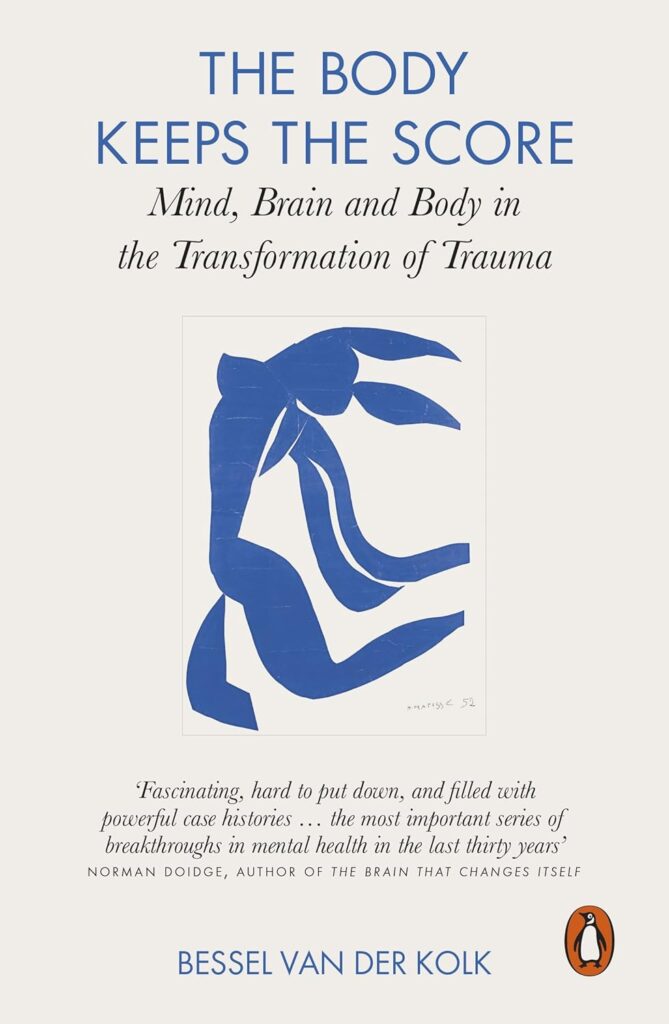
That’s why The Body Keeps the Score by Dr. Bessel van der Kolk is not just a book. It’s a manual for people who are finally ready to understand what trauma does—and how to let it go
When You’ve Been Told to “Move On”—But Your Body Won’t Let You
You’ve probably heard it before: “Stop talking about it.” “Try to move on.” “Just be grateful.”
Maybe you even tried. However, your body didn’t listen.
That’s because trauma doesn’t live in memory alone. It hides in your nervous system. You’ll feel it in your digestion. And sometimes, it lingers in your skin, your sleep, your breath.
You’re not weak. You’re wired for survival. And your body—beautiful, broken, brilliant—is doing its job to protect you.
The Moment Everything Changed for Me
After a serious accident, I couldn’t lie flat because of a snapped and displaced collarbone. I couldn’t look at a screen because of brain haemorrhages. I sat upright for months—trapped between pain and paralysis.
One afternoon, my heart rate suddenly skyrocketed past 200 beats per minute. It wouldn’t come down. So my dad called 999. The paramedics came.
Later, someone—I still don’t know who—gently suggested a book. The Body Keeps the Score.
That quiet recommendation cracked my world open.
Trauma Doesn’t Just Hurt You—It Programs You
This book revealed something most of us never get taught: Trauma isn’t just what happened. It’s what gets stuck in the body.
Your reactions become rewired. In your relationships, old pain plays itself out on repeat. Without realising it, your decisions start being made by your trauma.
We think we’re choosing our lives. Still, often we’re choosing from our wounds.
The Body Keeps the Score: Mind, Brain and Body in the Transformation of Trauma
Not all trauma looks dramatic. Maybe your pain was subtle. Perhaps it came in the form of silence, indifference, or emotional neglect.
It still counts. It still shaped you. And you still deserve healing.
The Body Keeps the Score gives language to the invisible.
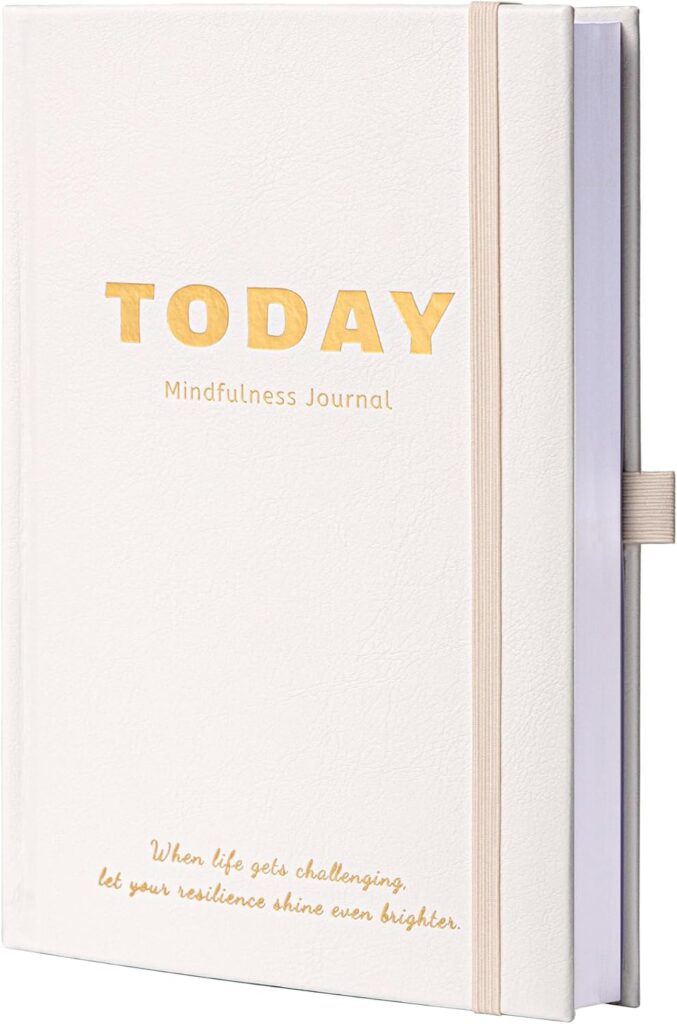
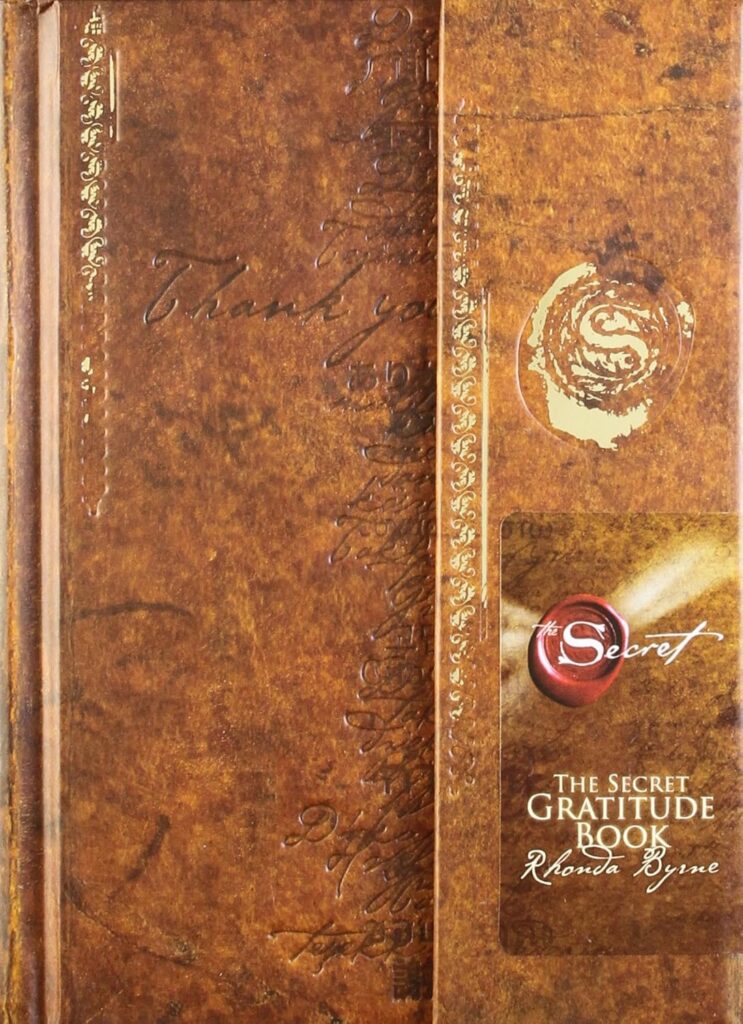
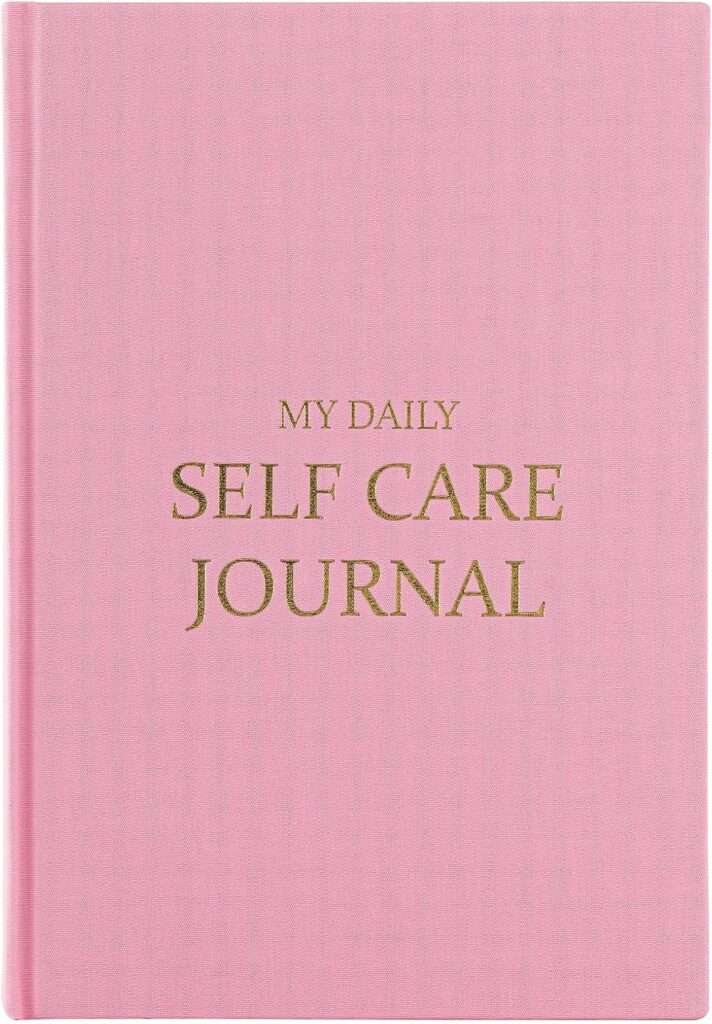
What Happened When I Finally Started Journaling
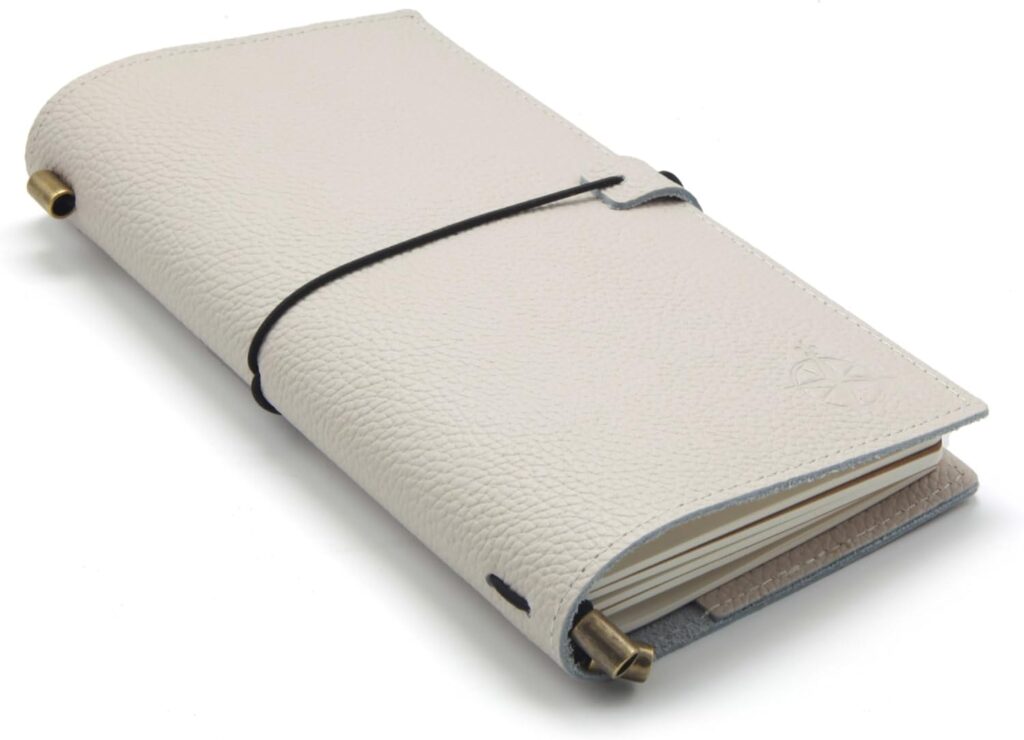
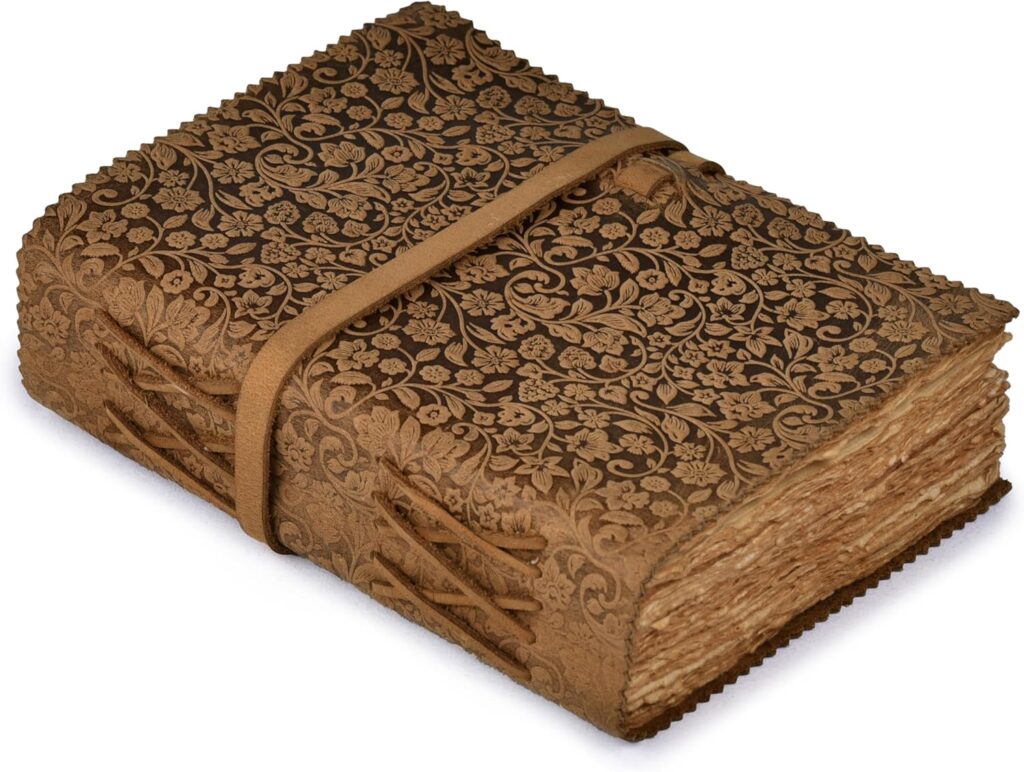
After reading the book, I started journaling—every day. Not neatly. Not for Instagram. Raw. Honest. Unfiltered.
I wrote what I couldn’t say aloud:
Grief
Rage
Shame
Confusion
Journaling became my release valve. It became a safe place to express what my body had held for too long. And that’s when my healing began to shift—mentally, emotionally, physically.
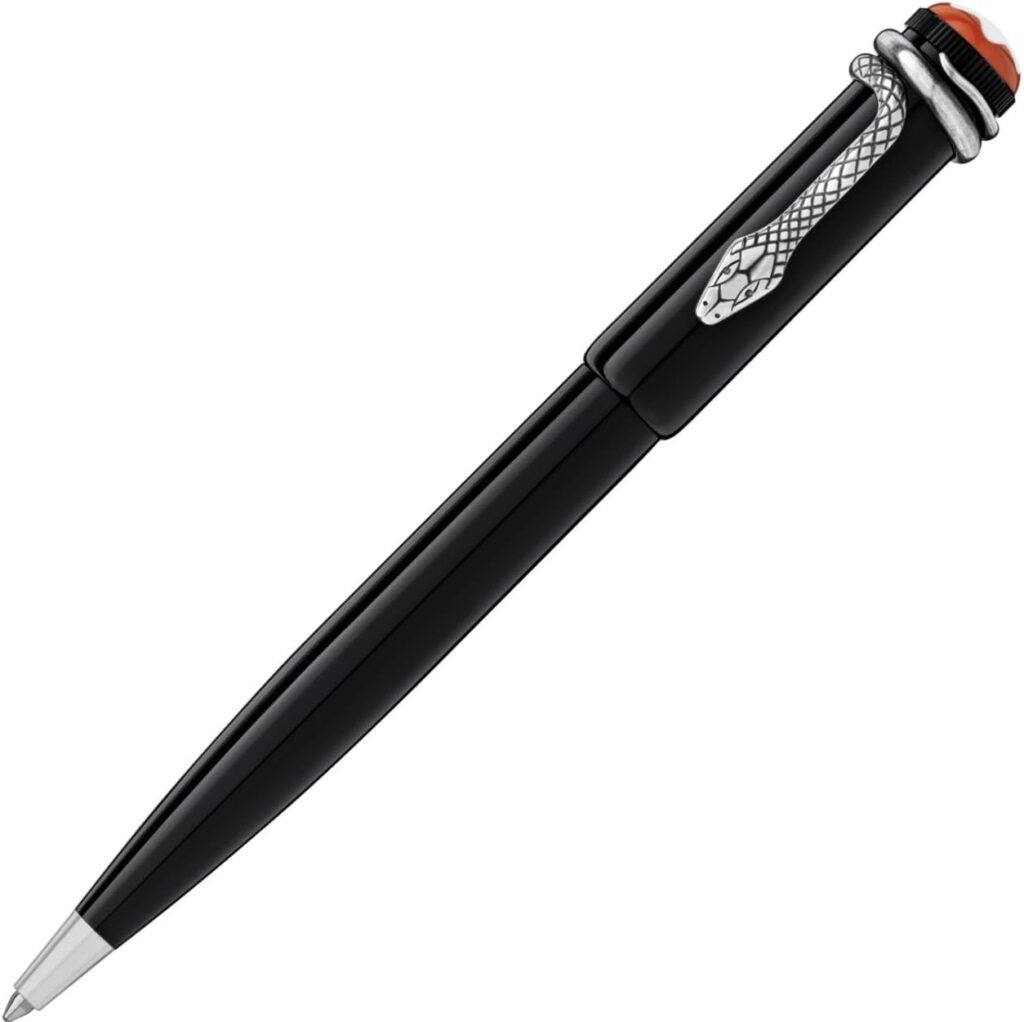
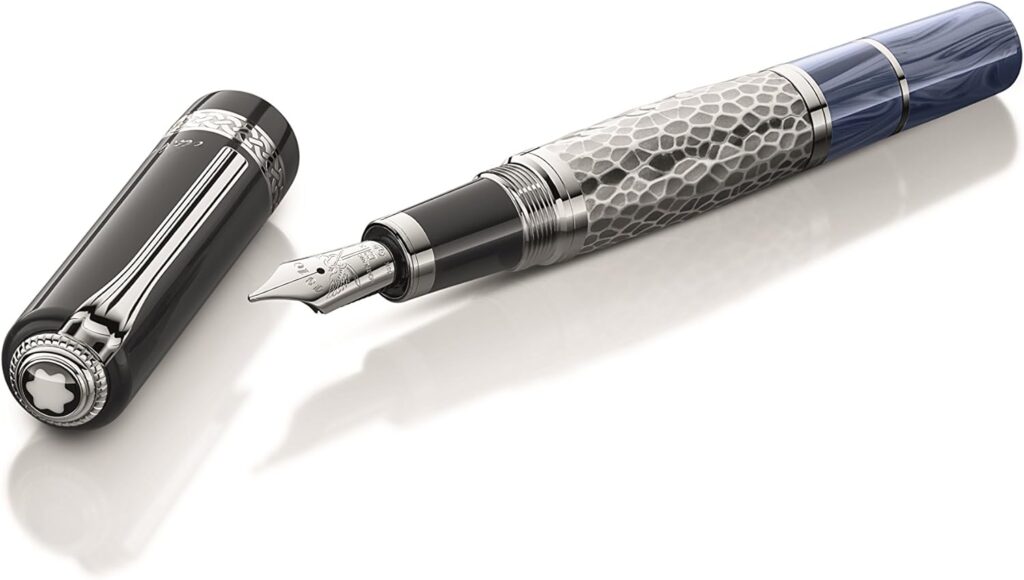
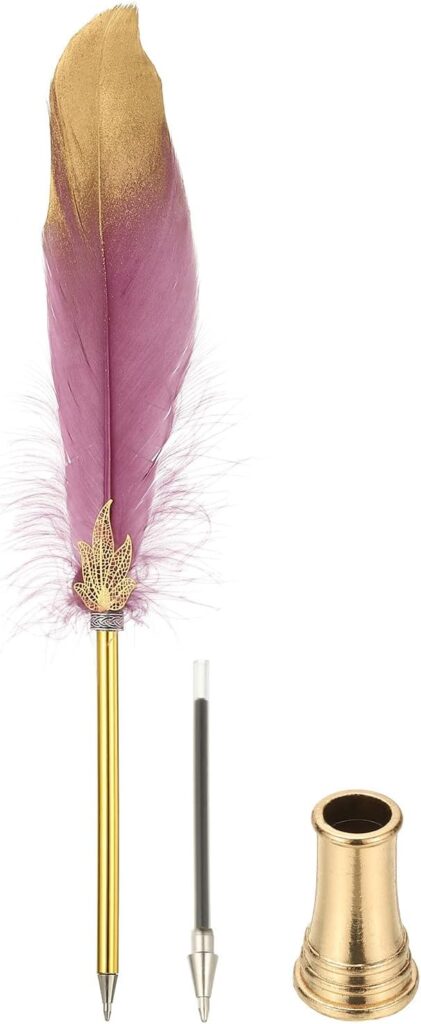
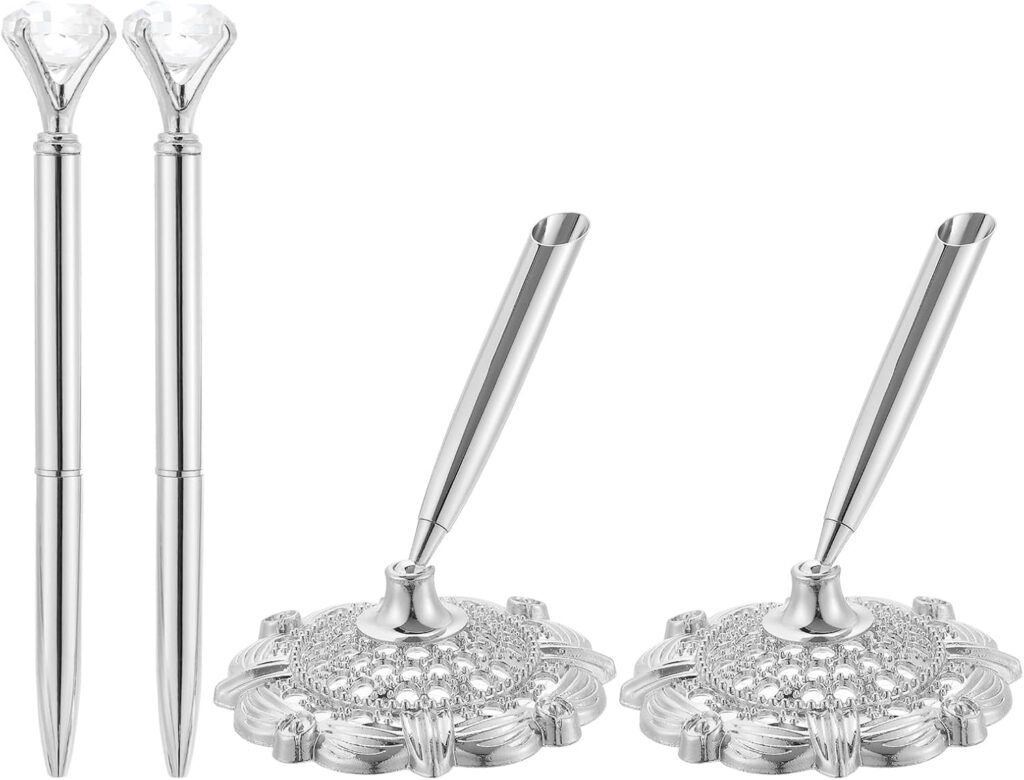
MONTBLANC
Heritage Rouge et Noir Special Edition Ballpoint Pen
This book explains what many of us instinctively know: You can talk about your trauma all you want— But if your body doesn’t feel safe, nothing changes.
You’ll still:
Flinch when someone raises their voice
Overreact in arguments
Feel exhausted for “no reason”
Overgive in relationships
This isn’t weakness. It’s survival. And The Body Keeps the Score helps you understand that.
When Crying Feels Unsafe—Your Body Will Cry for You
I wasn’t allowed to fall apart. Crying made others uncomfortable, so I stayed strong—for them.
But one day, my body said: no more. The rapid heart rate wasn’t random. It was a scream. And I finally listened.
That’s when I began using writing as medicine. Every sentence became a doorway. Each paragraph, a small act of release.
How to Start Journaling When You Don’t Know What to Say
If you’ve never journaled before, start with this: “What is my body trying to tell me today?”
Write for five minutes. Let the truth land. You don’t need to write perfectly. Just write honestly.
At the time of my healing, I had spent two decades in fashion. I believed beauty lived in red lips, sharp tailoring, and flawless skin.
But after everything, I realised something sacred: Beauty is a byproduct of safety.
It’s what emerges when your body is calm, your mind is clear, and your soul feels heard.
That’s what Good Looks Bible was born from. Not aesthetics. Alignment.
Four Gentle Ways to Begin Your Healing Journey
You don’t need a breakdown to begin. No publishing contract, no therapist’s note, no diagnosis is required. What you truly need is a moment of truth.
Maybe it starts today. Even so, maybe this is your wake-up call.
Let this be your invitation to:
Pick up The Body Keeps the Score
Start your journaling ritual
Honour what your body is still holding
Breathe through what your mind tried to forget
You Don’t Have to Perform Strength Anymore
You don’t have to keep carrying this. Let the heaviness go. The mask, the smile, the strength for everyone else—it can drop now. You deserve to be soft. You’re allowed to be sacred. And still strong as hell.
Couture fashion and stylist expert with over 25 years’ experience in fashion and bridal. Founder of Good Looks Bible, she writes about bridal, style, beauty and wellness.